
You’re standing in the flour section of the grocery store, staring at that ever-broadening section of bags – bread flour, all-purpose, pastry, even cake flour. They all look the same, but once you start baking, those tiny differences in protein content can make or break a loaf, cookie, or cake.
Higher protein builds chew and structure; lower protein bakes softer with a tender crumb.
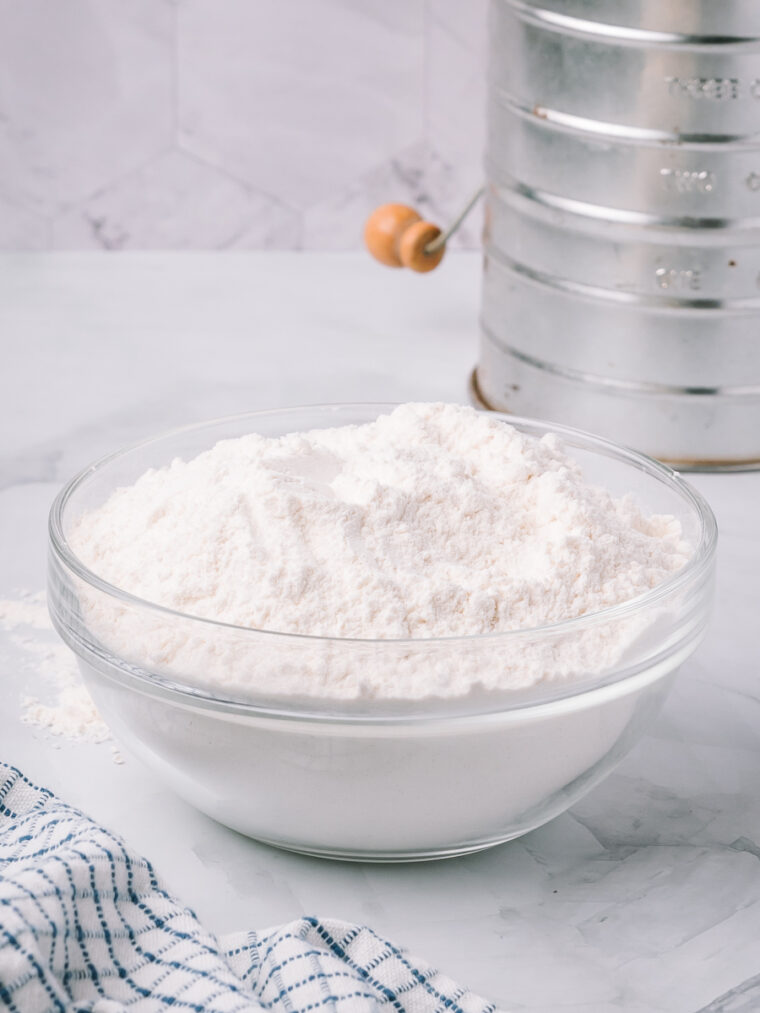
So what’s the real difference between bread flour and all-purpose flour, and when should you use each? Whether you’re tackling your first homemade bread recipe, perfecting a pizza dough, or wondering why your cookies spread too much, understanding the role of protein will help you choose the right flour for the best results.
The Chemistry Behind Flour Strength
All wheat flours start from the same grain, but the type of wheat and the amount of its protein-rich kernel that is milled into the flour determine the final gluten content. Gluten forms when flour meets water – a strong, stretchy network that traps carbon dioxide from yeast or leavening.
- Bread flour is made from hard wheat varieties with a higher protein level (around 12-13%). That extra gluten potential gives bread its chewier texture and allows it to hold shape and rise high. (Great for a sourdough sandwich bread).
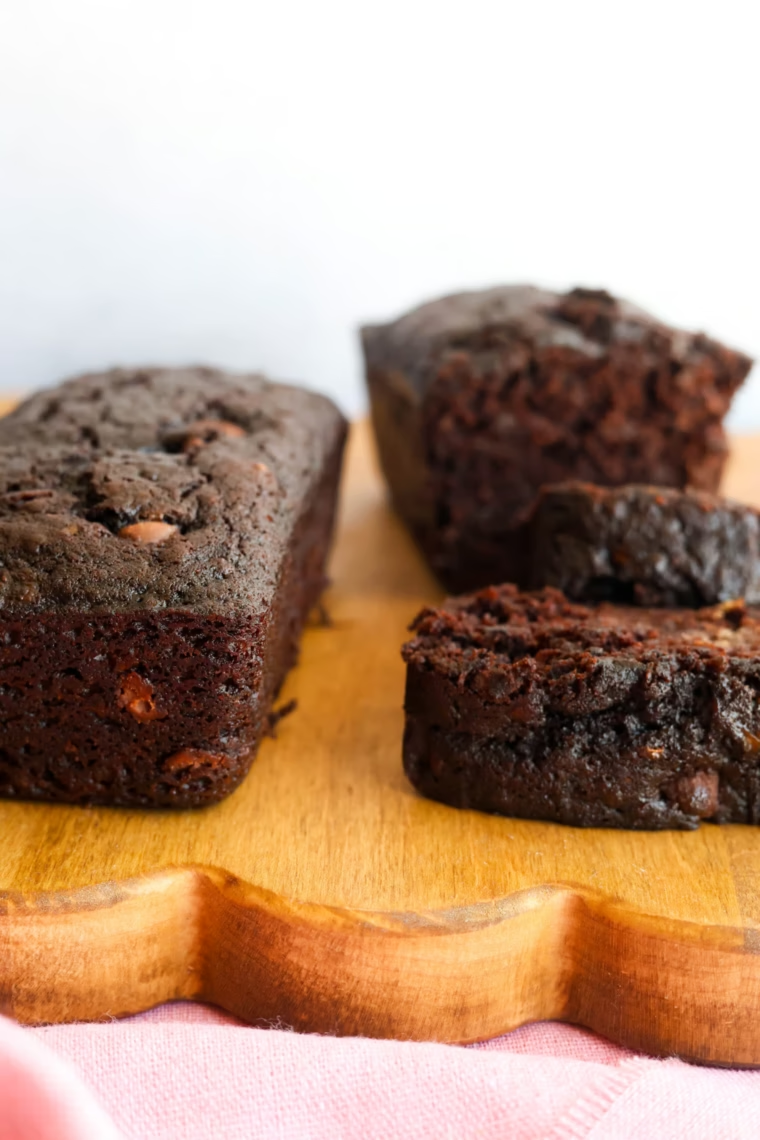
- All-purpose (AP) flour sits in the middle at 10-11.5% protein, offering a softer bite and more flexibility for quick breads, cookies, and cakes. (Perfect for decadent chocolate zucchini bread).
A small percentage jump may sound minor, but it’s the key difference between a lofty baguette and a tender cinnamon roll.
Common Problems (and Why They Happen)
If you’ve ever wondered why your bread dough felt too tight or why your cookies baked up tough, the answer probably lies in gluten strength.
Using bread flour in a tender recipe like muffins or brownies adds too much chew because its strong gluten network resists breaking down. On the flip side, using AP flour in an artisan loaf without adjusting the hydration often results in flat or dense bread.
The reason? Bread flour absorbs more water. If you don’t increase hydration slightly – even 2-3% – your dough will feel dry and won’t develop that open crumb structure professional bakers love.
Bread Flour vs. All-Purpose at a Glance
| Flour Type | Protein Content | Texture & Rise | Best For |
|---|---|---|---|
| Bread Flour | 12-13% | Chewy, elastic, higher rise | Yeast breads, pizza dough, bagels |
| All-Purpose Flour | 10-11.5% | Soft, tender, moderate rise | Cookies, muffins, sandwich loaves, cakes |
Rule of Thumb: Bread flour = structure and chew. AP flour = tenderness and versatility.
What to Watch (Cues for Perfect Dough)
- Windowpane test: Stretch a bit of dough – if it forms a thin, translucent sheet before tearing, you’ve built a strong gluten network.
- Elasticity vs extensibility: Bread flour dough feels springy and resists shaping; AP dough stretches easily.
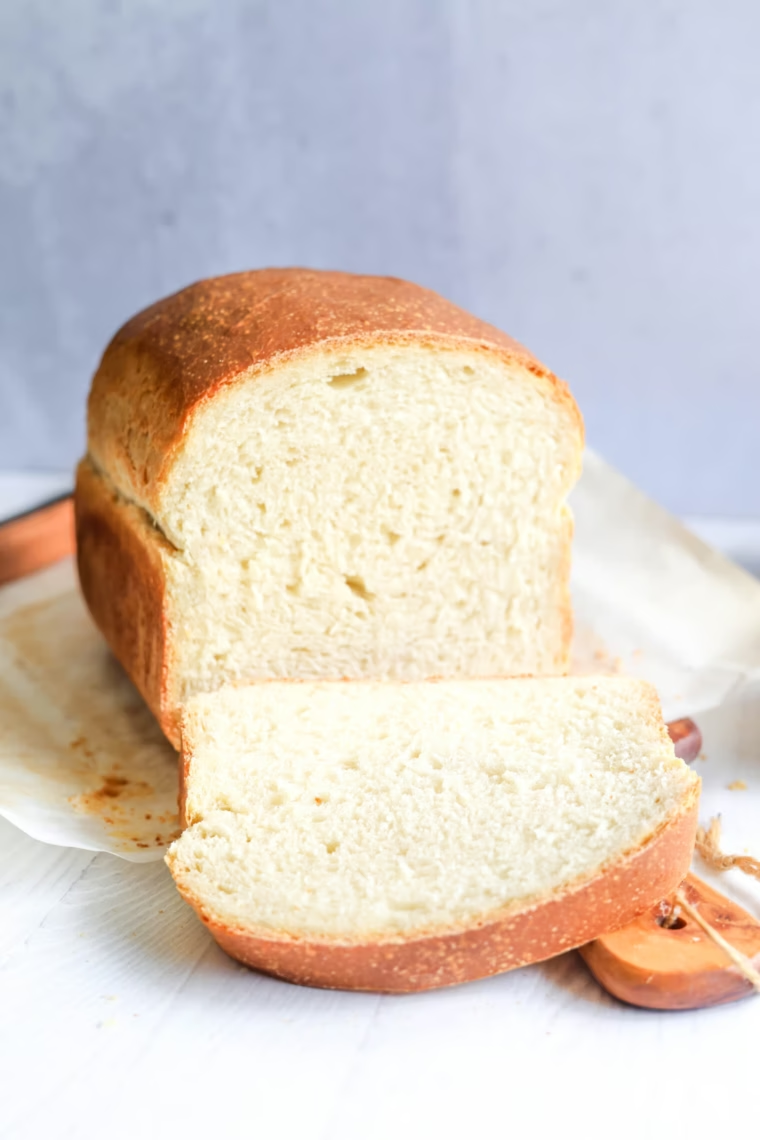
- Crumb openness: Bread flour yields large, irregular holes (think sourdough); AP flour gives finer, uniform crumbs.
Common Mistakes & Quick Fix
| Problem | Fix |
|---|---|
| Dense loaf when using AP flour. | Increase water slightly (2-3%) or extend kneading/autolyse time to strengthen gluten. |
| Tough cookies or biscuits. | Use AP or even pastry flour for lower protein; add a touch more fat to shorten gluten strands. |
Smart Tips from the Kitchen
- Blend flours for custom texture – a 50/50 mix makes an excellent sandwich loaf that’s soft yet sturdy.
- Mind for fat. Oils and butter “shorten” gluten, creating tenderness; rich dough needs extra kneading time.
- Salt later. Add it after the initial mix for stronger gluten development.
- Check labels. Different brands vary – King Arthur bread flour, for example, runs higher in protein than most store brands.
- Experiment. For pizza dough, bread flour adds chew; for soft rolls, AP keeps the crumb pillowy.
Mini FAQ
Can I substitute bread flour and all-purpose 1:1?
Usually yes, but tweak hydration and knead time. Bread flour needs a little more water and extra mixing.
Why is my bread too chewy?
Likely too much gluten development – try using part AP flour and increasing fat for a tender texture.
Why did my loaf turn out dense?
AP flour may lack strength; increase the water and proof longer for a better rise.
Does flour type affect crust color?
Yes- higher protein flours brown faster due to more amino acids in the Maillard reaction.
Can I mix flours?
Absolutely! Many home bakers and pros blend flours for balance – a simple way to get the best of both worlds.
Related Lessons
- All Types of Flour and Which is Best
- Fats in Baking (and why they are important)
- Foolproof Yeast in Baking (make it work every time)
- The Chemistry of Ingredients
Bread Flour & AP Flour
In the world of flours, that small difference in protein makes a huge difference in your final product. Bread flour gives you strength, structure, and chew- perfect for rustic loaves and artisan breads. All-purpose flour offers tenderness and flexibility for everyday baked goods, from cookies to quick breads.
If you want to level up your baking, start thinking like a pro: match your flour to your texture goal. Or, blend the two for your own signature style – soft crumb, crisp crust, and that unmistakable aroma of fresh bread cooling on the counter.