

There’s something timeless about a custard pie – smooth, golden, and gently jiggling as it comes out of the oven. But as every home cook learns the hard way, custard is a delicate balance of science and timing. Pull it too early, and you’ll get a runny, unset center. Bake it too long, and you’re left with a curdled, rubbery filling that weeps as it cools.
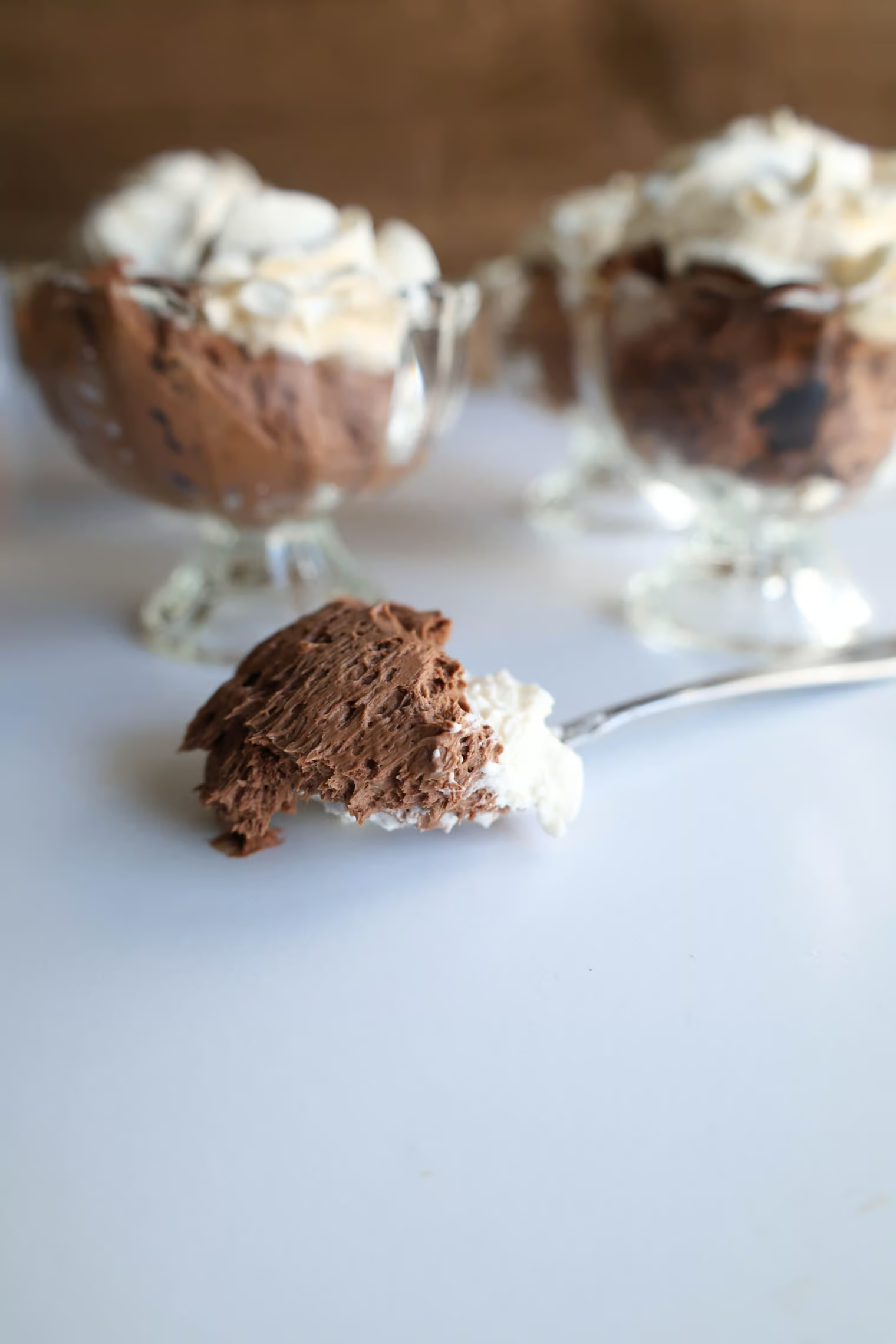
Photo: Creamy Chocolate Custard Dessert Cups
The good news? You don’t need a culinary degree or special equipment to master this. Once you understand a few visual and tactile set cues, you’ll know exactly when your custard is ready. Whether you’re baking pumpkin pie, cheese pie, or classic panna cotta.
This guide breaks down how custard sets, the common pitfalls that cause cracks, and how to find the perfect moment to pull it from the oven when the center jiggles just right.
The Chemistry of Custard
Custard is all about egg proteins, the glue that transforms a liquid egg mixture into a silky, spoonable filling. When heated, those proteins unwind and form a delicate network that traps liquid, creating that smooth, creamy texture we love. The challenge? Those same proteins can easily overcook. A few minutes too long in the oven, or at too high a temperature, and they tighten too much, squeezing out water and causing that dreaded “weeping” or rubbery texture.
The sweet spot typically falls between 170 and 175 degrees F in the center of the pie. Beyond that, you’re in curdled territory. Using room temperature eggs, tempering hot milk into your mixture, and baking low and slow, often in a water bath, helps the custard cook evenly and gently.
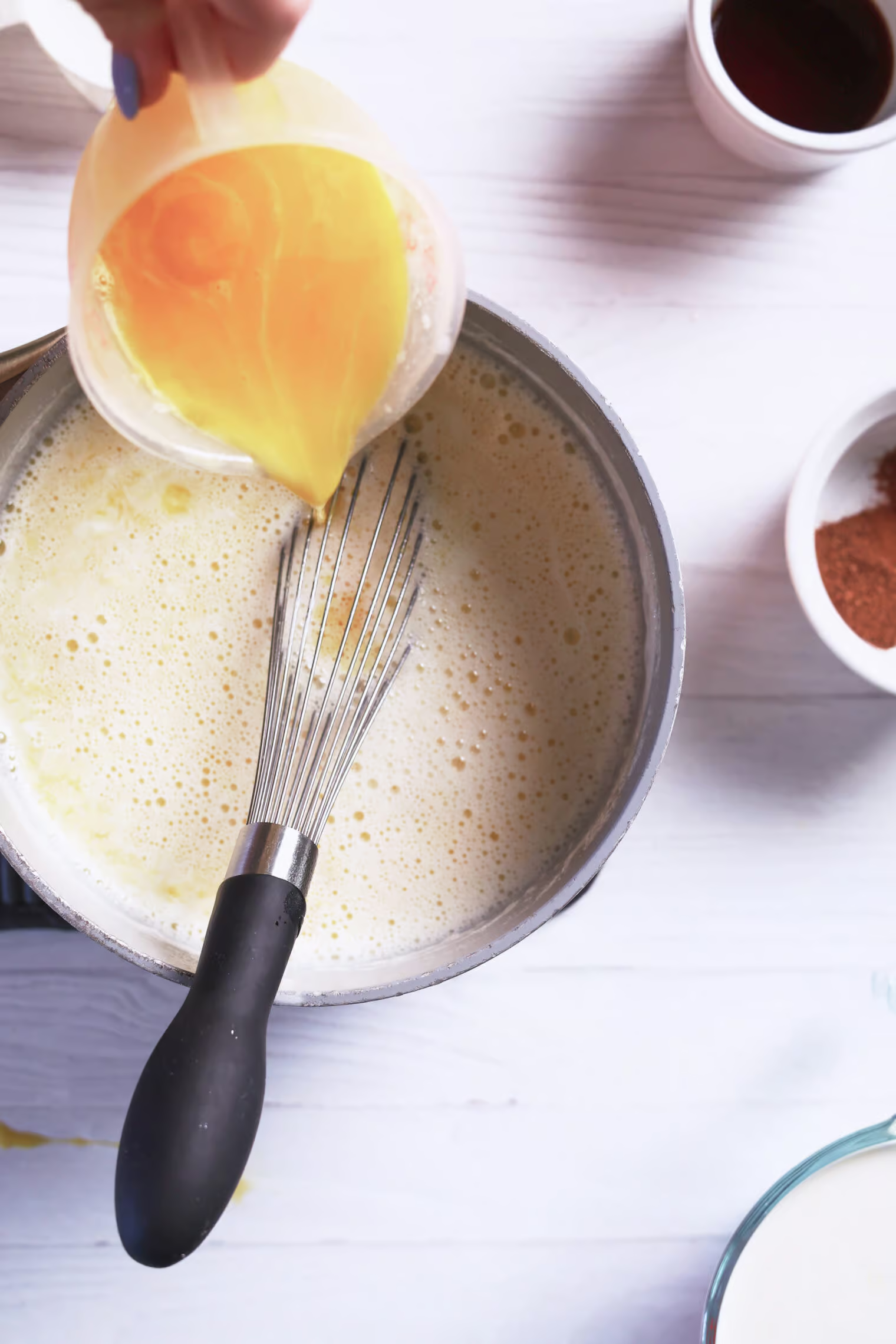
Photo: Old-Fashioned Homemade Eggnog
Common Problems (and Why They Happen)
If your custard pie came out watery after cooling, it’s likey from overbaking. The eggs cooked too far, breaking down the emulsion. A pie that’s still runny or liquid in the middle, however, was probably underbaked or cooled too quickly, never allowing the proteins to finish setting.
Cracks on top are another classic issue, caused by either a too-hot oven or rapid cooling. Think of custard like glass – it needs to transition slowly from hot to room temperature. Moving it straight from oven to fridge traps steam and causes cracks or weeping.
And that soggy bottom crust? That’s from skipping the blind bake. Custards are liquid-heavy; without a pre-baked crust or pie weights, that moisture seeps into the pastry instead of setting on top.
The “Custard Set” at a Glance
| Step | Visual Cue | Why it Matters |
|---|---|---|
| Before Baking | Smooth, evenly mixed filling | Prevent uneven texture and flavor separation |
| During Baking | Edges look set and slightly puffed; center jiggles 2-3 inches wide. | Indicates internal temperature near 170 degrees F |
| After Baking | Center moves like Jell-O, not soup. | The custard will continue to firm as it cools. |
Pro Tip: Pull your custard pie while it still has a slight wobble in the center. The residual heat (or carryover cooking) finishes the job as it rests on the counter.
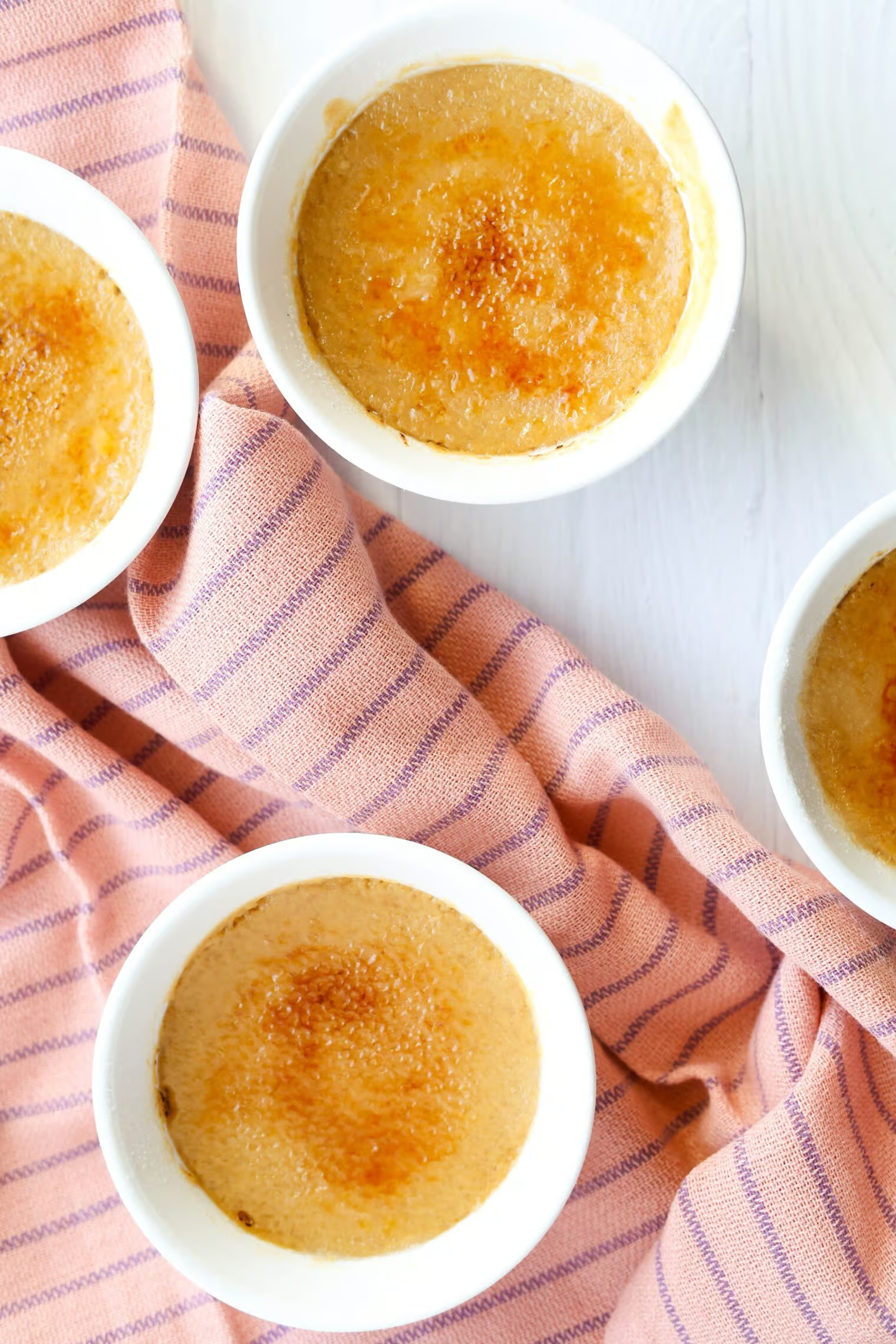
Photo: Fall-Inspired Maple Creme Brulee
What to Watch (Set Cues)
- Visual: The edges should look firm and lightly golden brown. The center should ripple slowly when nudged – not slosh or wave.
- Touch: When you tap the bottom of the pan, it should jiggle as one cohesive mass.
- Temperature: If you’re unsure, check with a thermometer, it should read around 170-175 degrees F near the center.
- Knife Test: Traditionally, some cooks insert a knife to check doneness, but it can crack the surface. Rely on the jiggle test instead for a smoother top.

Photo: Homemade Classic Pumpkin Pie
Common Mistake & Quick Fix
| Problem | Fix |
|---|---|
| Weepy or watery custard after chilling | This usually means it was baked too long or cooled too fast. Next time, lower your oven by 15 degrees F, and bake until just set at the edges. Let the pie cool gradually on a wire rack before refrigerating. |
| Cracks down the center | The oven was too hot, or the pie was placed too high. Use the lower mmiddle rack and bake gently. If you notice early cracking, tent lightly with aluminum foil to slow the heat. |
Smart Tips for the Perfect Set
- Temper you eggs: Slowly whisk hot milk or cream into your eggs to prevent curdling.
- Use a water bath: This buffers heat, giving your custard a gentle, even bake.
- Strain before pouring: Run your mixture through a fine-mesh sieve to remove chalazae or bubbles for a silky finish.
- Cool gradually: Avoid the fridge right away. Let the custard rest a room temperature until the level of the custard is stable.
- Watch your flavor balance: Too many spices can mask doneness signs and make it hard to see visual cues.
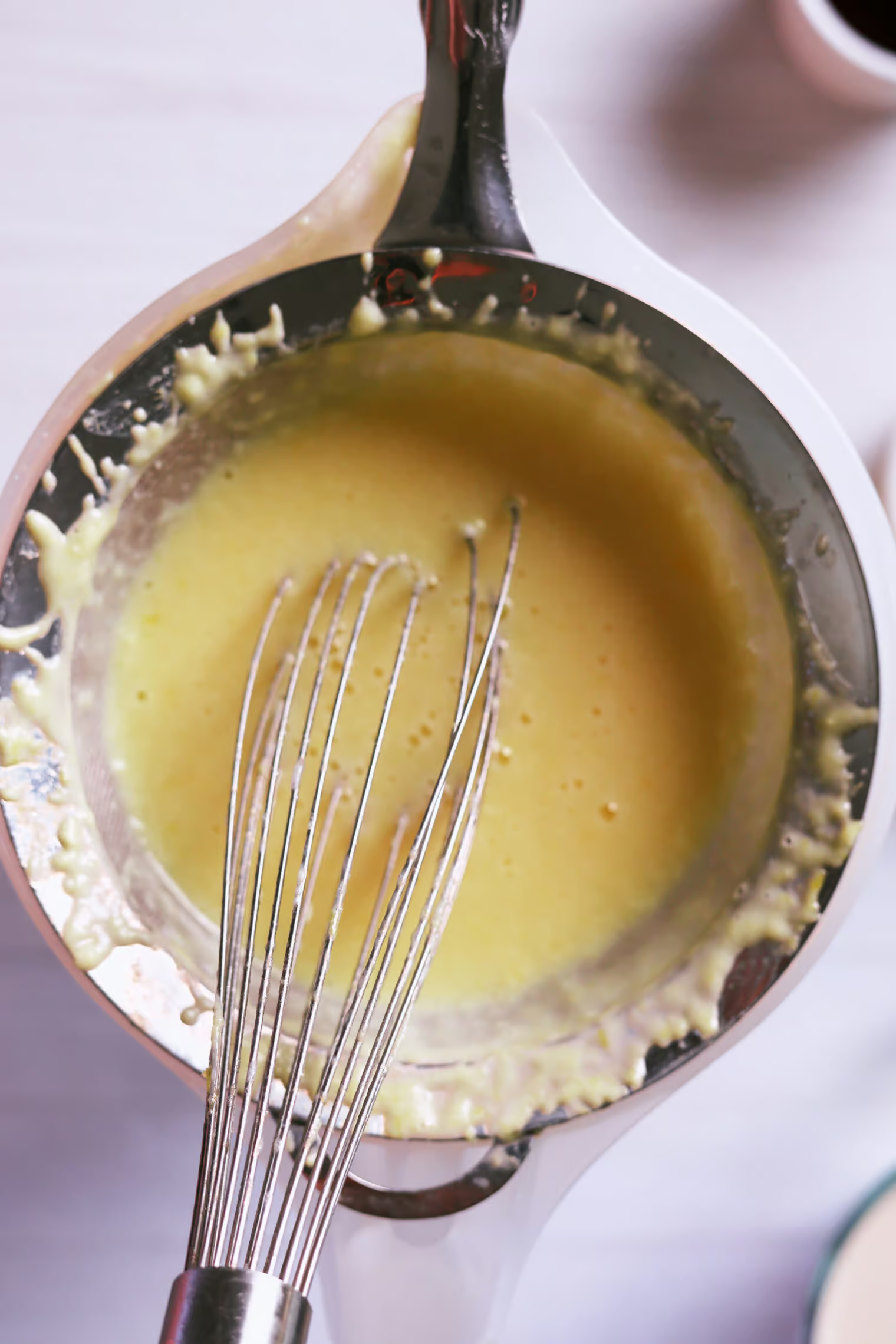
Photo: Eggnog Cheesecake with Gingersnap Crust
Custard FAQs
Should I blind bake my crust for custard pie?
Yes, always. A blind-baked shell keeps your crust crips and prevents sogginess.
How do I prevent curdling?
Cook low and slow. Use medium heat if making on the stovetop, or a water bath in the oven.
Can I use milk instead of cream?
Yes, but the texture will be lighter and less rich. Adjust bake time slightly since it will set faster.
Can I make custard pie ahead?
Absolutely. Bake the day before, chill overnight, and let it come to room temperature before serving.
Why did my custard dome or puff?
Your oven was too hot. Lower the temperature and extend the cooking time for a smoother surface.
Related Lessons
- Corn Syrup vs. Maple Syrup in Pecan Pie
- The Ideal Cheesecake Temperature & How to Avoid Cracks
- Canned vs. Fresh Pumpkin Puree Difference in Baking
- All About Eggs in Baking

Mastering Custard
A perfectly baked custard pie is the defination of comfort- simple ingredients, elegant texture, and that melt-in-your-mouth creaminess that makes every bite feel like home. Once you learn to recognice those slow-moving ripples and gentle jiggle cues, you’ll never have to guess again.
Remember: custard rewards patience. Bake gently, cool slowly, and trust the wobble. Whether you’re baking for family gatherings, dinner parties, or just because, that smooth, golden pie on your dessert table will taste every bit as good as it looks.


